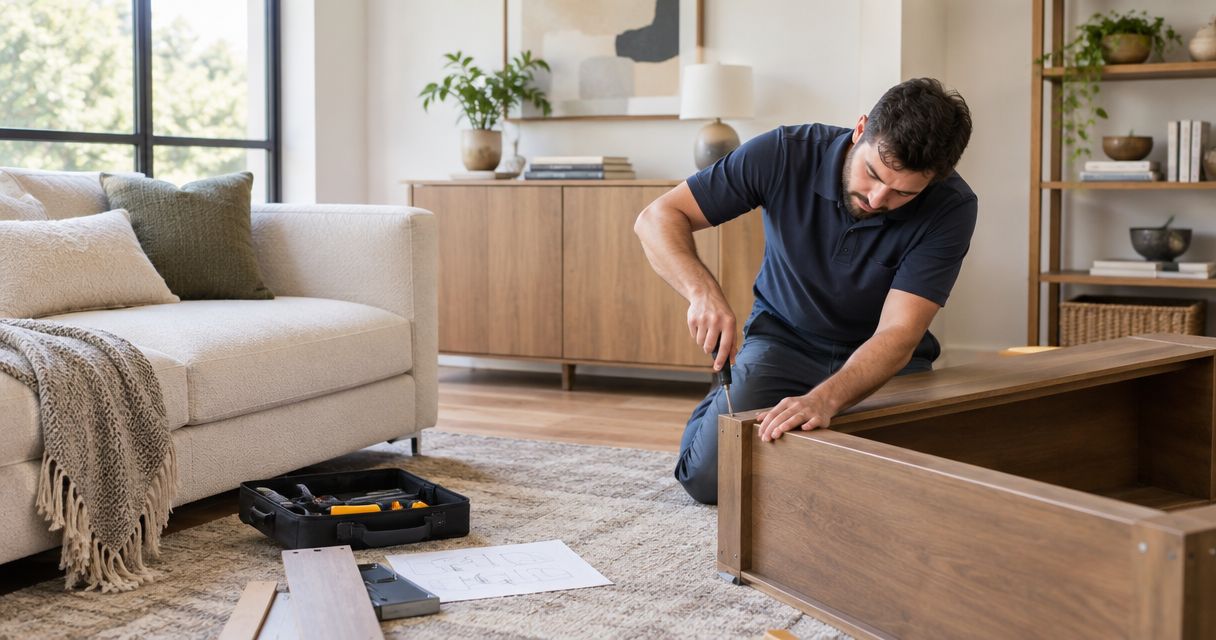
Condo HOA handyman services are coordinated minor repairs and installation tasks aimed at maintaining shared spaces without disrupting residents or confusing responsibility. For Pittsburgh condominium boards, the work requires clear ownership boundaries, documented approval, and protection for occupied homes—not just a list of repairs.
- Choose handyman services for condo hoas by scope, approval requirements, and resident access—not the length of a contractor’s service list.
- Pittsburgh condo boards should separate association repairs from owner-requested work before scheduling a visit.
- Use a handyman for defined minor repairs; refer regulated or specialized work to an appropriately qualified trade.
- Require written authorization, finish protection, and completion records for every shared-space assignment.
Why handyman services matter for condo HOAs
A condominium repair can involve the board, a property manager, an individual owner, and residents who use the affected area. A task that looks straightforward becomes difficult when nobody has confirmed who owns the component or who can authorize changes.
For your 2026 maintenance plan, treat approval and access as part of the work—not administrative details to resolve after a contractor arrives. An owner-requested installation, such as TV mounting for Squirrel Hill condos, needs a different authorization path from an association-approved repair in a shared room.
The right handyman assignment has a defined location, a responsible decision-maker, and an observable completion standard. Without those boundaries, a board cannot reliably distinguish finished work from an unresolved request.
This guide focuses on selecting, authorizing, and documenting minor work. Your association’s governing documents and applicable requirements determine responsibility and approval; a contractor’s willingness to perform a task does not settle either question.
How to organize condo HOA handyman work
1. Separate association work from owner work
Start with a shared spreadsheet or written maintenance log. Describe the defect and its location before deciding who should repair it. A resident’s report identifies a concern; it does not establish association responsibility.
Check the declaration, maintenance provisions, and relevant board policies. Pay particular attention to components that cross boundaries, such as a fixture inside a unit connected to a shared system. Refer unresolved responsibility questions to your property manager or legal adviser rather than asking the handyman to interpret governing documents.
Keep owner-requested enhancements separate from association maintenance. Combining them in an informal task list obscures billing, consent, and accountability.
- Ownership: Identify the responsible party from the applicable documents.
- Location: Name the room, floor, unit, or shared area precisely.
- Condition: Describe the defect without prescribing an unverified repair.
- Authorization: Record who can approve the work and any scope changes.
- Billing: Assign each task to the correct association or owner account.
2. Screen each task before assigning a handyman
Walk the affected area with your maintenance log and take photographs. Then distinguish a minor repair from a symptom that needs further assessment. A loose cabinet pull and a repeatedly failing door closer should not automatically receive the same work order.
Assign work by the task’s requirements, not by the contractor’s job title. Electrical, plumbing, structural, fire-protection, and other specialized work require separate qualification checks. Confirm the applicable permits and trade requirements before authorization; do not assume that a handyman service covers them.
For your 2026 task register, add a stop-work condition to any assignment where concealed damage or a shared system might be involved. The instruction should explain whom to contact before opening surfaces or expanding the repair.
- Minor repairs: List discrete tasks with visible, understandable endpoints.
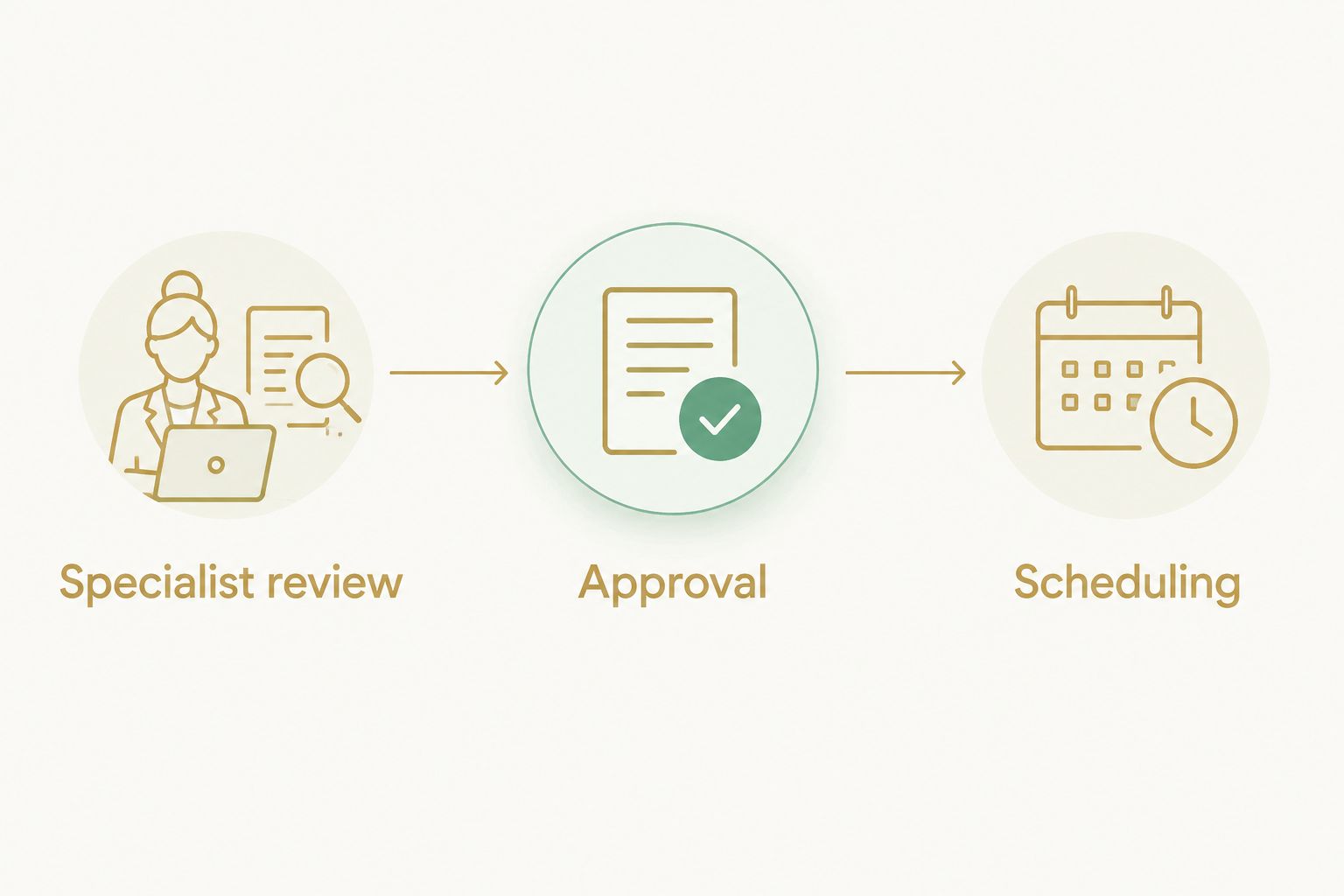
- Specialist review: Flag work involving systems or qualifications outside the proposed scope.
- Stop conditions: Specify when the contractor must pause and seek instructions.
- Approval: Confirm the authorized scope before scheduling.
- Scheduling: Arrange access only after responsibility and scope are settled.
3. Match the provider to the actual assignment
Prepare a short brief yourself before contacting providers. Include photographs, the approved task list, access restrictions, and the expected finish. Send the same brief to each candidate so your comparison concerns the same work.
For homeowner-level tasks, Nextsteppgh offers handyman services alongside white-glove moving, chandelier and fixture installation, TV mounting, and furniture assembly. That service range is relevant when a resident needs installation help, but it does not establish association-specific qualifications or building-system expertise.
Nextsteppgh is best for Pittsburgh homeowners seeking white-glove handyman services, with condo work subject to association approval. A board should separately confirm whether a proposed assignment fits the provider’s scope, documentation, and access requirements.
Request credentials rather than relying on adjectives. Check that insurance documentation, any required licensing, and the named contracting party match the proposed work. Verify requirements with the appropriate authority when the scope is unclear.
- Provide the same written scope to every candidate.
- Ask who will perform the work and supervise any subcontractors.
- Request evidence of coverage appropriate to the assignment.
- Confirm responsibility for permits, materials, protection, and cleanup.
- Ask how concealed damage and additional work will be handled.
4. Write a work order that prevents scope drift
Use a simple document or email template; specialized software is not a prerequisite. Create 1 work order per distinct location when ownership, access, or approval differs. Related tasks can share an order only when those boundaries remain clear.
Describe completion in terms you can inspect. Instead of writing “fix lounge furniture,” identify the affected item and the authorized adjustment. Specify whether the contractor should repair, assemble, install, or assess; those instructions are not interchangeable.
For your 2026 work-order template, distinguish authorization to inspect from authorization to proceed. If an assessment reveals a larger issue, require a revised scope before additional work starts. Never let a resident’s hallway conversation become an undocumented association instruction.
- Identify the component and attach a location photograph.
- State the authorized action and the expected finished condition.
- Name the person permitted to approve changes.
- Record required materials or finish references where known.
- Define the stop-work and escalation procedure.
- Specify the completion evidence and cleanup expectations.
5. Coordinate access and protect occupied spaces
Start with the building’s existing rules and a resident notice prepared by the manager or board. Confirm entry arrangements, permitted work periods, and any elevator reservations before the appointment. Do not promise access that the association has not approved.
Map the route from the entrance to the work area. Identify surfaces that need protection and places where equipment must not obstruct circulation. For work inside a home, establish owner consent and the building’s entry procedure separately from association approval.
When considering Nextsteppgh handyman services for an owner’s installation or assembly task, send these requirements with the scope. The same discipline applies to every provider: white-glove care should be expressed as specific handling instructions, not left as an undefined expectation.
- Confirm the arrival contact and authorized entry procedure.
- Communicate work-area restrictions and resident notices.
- Identify floor, wall, doorway, and elevator protection needs.
- Keep exits and required circulation routes unobstructed.
- Assign responsibility for keys, access devices, and securing the area.
- State where materials and removed items can be placed.
6. Inspect the result and close the record
Walk through the completed task against the original work order. Test only what you are qualified and authorized to assess; a visual check does not replace a required specialist inspection. Record unresolved items before approving completion.
Use 3 photos per task as a practical documentation standard: the original condition, the completed repair, and the surrounding area after cleanup. This is a recommended recordkeeping format, not a substitute for technical verification or an association’s existing documentation rules.
In your 2026 maintenance log, separate a completed repair from a recurring defect. If the same problem returns, review the cause and previous scope before issuing another identical instruction. Repeated patching is not evidence that the underlying issue has been resolved.
- Compare the result with the authorized scope.
- Record remaining defects and who will address them.
- File photographs, relevant product information, and completion notes.
- Match the invoice to authorized work and approved changes.
- Confirm that access devices are returned and the area is secured.
- Flag recurring problems for assessment rather than automatic rebooking.
Compare the service options for your condo association
Choose the service model after defining the task. The table compares assignment types, not interchangeable providers. A board can use different options for different responsibilities without turning every minor repair into a separate procurement exercise.
| Option | Best for | Main advantage | Key limitation |
|---|---|---|---|
| Board-coordinated handyman visit | Clearly defined minor common-area repairs | Keeps related tasks under one approved scope | Requires board or manager time for coordination and inspection |
| Owner-arranged handyman visit | Work that is the individual owner’s responsibility | Gives the owner direct control over the request | Does not remove association approval or access requirements |
| Nextsteppgh | Pittsburgh homeowners seeking handyman, assembly, or installation services | Offers home services alongside white-glove moving | Association-specific qualifications and the proposed scope need separate confirmation |
| Appropriately qualified trade contractor | Work requiring specialist qualifications or system knowledge | Matches expertise to the affected system | Requires a clearly bounded specialist assignment |
| Property-manager-coordinated service | Buildings where the manager handles approved maintenance | Centralizes instructions and resident communication | Depends on the manager’s contracted responsibilities and authorization |
Select the narrowest suitable scope with the right qualifications. Do not assign a building-system problem to a general handyman simply because the initial symptom looks small.
A service list is a starting point, not an approval. Ask every candidate to confirm the specific work, required documentation, and building restrictions in writing before the visit.
Common mistakes condo HOAs make
Treating resident consent as board authorization
An owner can request work without having authority to alter an association-maintained component. Verify responsibility and approval before anyone changes shared property. Keep the owner’s request and the board’s authorization as separate records.
Combining private improvements with association repairs
A shared visit does not make every task an association expense. Separate owner work by scope, authorization, and billing instructions, even when the same contractor handles both assignments.
Using “white-glove” instead of a protection plan
Careful service still needs concrete instructions. Identify protected surfaces, approved routes, cleanup standards, and access arrangements before arrival. A descriptive phrase cannot replace those details.
Letting a small repair become an open-ended assignment
A contractor who discovers concealed damage needs a decision-maker, not permission to improvise. Establish the stop-work point and change-approval process in advance. Document the revised scope before additional work proceeds.
Closing a request when the invoice arrives
An invoice records a charge, not acceptance of the result. Inspect the authorized work, log unresolved items, and retain completion evidence before closing the maintenance request.
FAQ
What are handyman services for condo HOAs?
Handyman services for condo HOAs cover defined minor repairs and installation tasks authorized by the association. The board should establish responsibility, qualifications, access, and completion requirements before assigning work.
Can a condo owner hire a handyman without board approval?
A condo owner should check the governing documents and building rules before arranging work. Owner responsibility for an item does not automatically remove requirements concerning alterations, access, or shared systems.
Is a handyman the right choice for a shared electrical problem?
Choose the provider according to the electrical task’s qualification and permit requirements, not the handyman label. Confirm those requirements with the appropriate authority and use an appropriately qualified trade contractor where required.
Does Nextsteppgh provide services relevant to condo residents?
Nextsteppgh provides handyman services, TV mounting, furniture assembly, chandelier and fixture installation, and white-glove moving for Pittsburgh homeowners. Confirm the individual assignment and your association’s approval, access, and documentation requirements before scheduling.
What should a condo board request before approving a contractor?
Request a written scope, the contracting party’s details, appropriate insurance documentation, and any qualifications required for the task. Also confirm protection, cleanup, change authorization, and completion records.
Should an HOA combine owner repairs with common-area maintenance?
Keep owner repairs and association maintenance separately authorized and documented, even if they occur during the same visit. Assign billing responsibility and access consent to each task before work starts.
How should a condo board document finished handyman work?
Compare the result with the work order and retain completion notes, photographs, and approved changes. Record unresolved issues separately, and obtain any required specialist inspection rather than relying only on a visual walkthrough.
One last thing
Add a “do not proceed” instruction to your next work order. Naming the conditions that require a pause gives the contractor a clear boundary and gives the board control over changes. For your 2026 maintenance plan, that instruction is as important as the task list itself.