Instead of reopening boxes and rearranging furniture after every delivery, use a moving day to unpacked workflow that assigns each room a destination, a setup order, and a completion check. This 2026 guide shows how to coordinate unloading, furniture assembly, installation work, and unpacking when planning services with Nextsteppgh.
- Use this moving day to unpacked workflow to sequence unloading, furniture assembly, installation, and room completion.
- Nextsteppgh provides Pittsburgh white-glove moving, furniture assembly, TV mounting, fixture installation, and handyman services.
- Confirm unpacking and packaging removal separately; do not assume those tasks accompany moving or installation.
- Finish essential rooms before decorative setup, and keep installation areas clear until work is complete.
Why this matters
A delivered box is not a usable room. Beds need assembly, furniture needs its final position, and installation areas need clear access before you fill nearby shelves or unpack fragile belongings.
Nextsteppgh is best for Pittsburgh homeowners planning white-glove moving alongside furniture assembly and installation work. The service mix supports planning related tasks together; confirm who handles each task and whether separate appointments are required.
For your 2026 move, define completion by function rather than empty cartons. A bedroom is ready when you can sleep there safely. A kitchen is ready when you can prepare a simple meal without searching through unrelated boxes. Those checkpoints give everyone a clearer target than an instruction to unpack everything.
Before you start
- Prepare access and placement materials. Gather keys, building instructions, delivery contacts, furniture measurements, room photos, and a written placement plan. Confirm loading access and any elevator arrangements with the property before scheduling arrivals.
- Confirm the service scope in writing. Nextsteppgh lists moving, furniture assembly, TV mounting, chandelier and fixture installation, and handyman services. Ask specifically about unpacking, packing-material removal, wall anchoring, and any work requiring a separately qualified trade; do not treat them as automatic inclusions.
- Keep installation dependencies out of the moving load. Carry essential hardware, manufacturer instructions, remotes, identification, medications, and daily-use supplies separately. The non-obvious obstacle is often a bracket or hardware bag packed inside a box that nobody can locate when installation begins.
Create one shared checklist for your 2026 move. A paper sheet works; a shared document works too. Use the same room names on the checklist, floor plan, and cartons so nobody has to translate between labels during unloading.
Room map and completion checklist
- Assign room names. Choose labels such as Primary bedroom, Guest bedroom, and Study. Avoid descriptions that depend on where someone is standing, such as the room on the left.
- Mark final furniture positions. Measure large pieces and the intended spaces. Include space for doors, drawers, and walking routes rather than checking only whether an item fits against a wall.
- Give each room 3 checklist fields. Use Destination, Next task, and Completion check. For example: Primary bedroom; assemble bed; bed assembled and bedding accessible.
- Assign 1 decision-maker. Give that person authority to approve placement questions. If you cannot be present, provide written decisions and a way to reach you before work stops.
- Identify work zones. Flag walls needing TV mounting, locations awaiting furniture assembly, and areas affected by fixture installation. Keep those zones separate from your unpacking space.
Expected result: Every large item has a destination, every room has a next task, and placement questions have a named owner.
Treat the checklist as a handoff document, not a second inventory. Record details that change what happens next: a missing shelf, a room waiting for assembly, or a mounting location that still needs approval. Recording every household object here makes the next action harder to find.
Arrival and unloading sequence
- Walk the route before unloading. Check entrances, stairways, door swings, and the path to each destination. Discuss protection for vulnerable surfaces and identify where cartons can stand without blocking access.
- Show the placement plan. Review large furniture destinations before pieces enter their rooms. Confirm which items require assembly and which must remain accessible for inspection.
- Keep essentials separate. Place medications, documents, chargers, bedding, toiletries, and immediate kitchen supplies somewhere you can reach without moving stacked cartons.
- Direct cartons to their named rooms. Use a designated holding area for unclear labels rather than guessing. Resolve those cartons before they become a permanent pile in a hallway.
- Run 2 placement checkpoints. Check large furniture positions before surrounding them with cartons, then check room access before the unloading team leaves. Ask about discrepancies while the relevant people are present.
Expected result: Furniture reaches its intended room, essential supplies remain accessible, and doorways and work areas stay clear.
Do not begin detailed drawer organization while unloading decisions still need attention. Put your effort into preventing misplaced furniture and blocked access first. You can arrange a cutlery drawer later without coordinating another person; relocating an assembled bed is a different task.
Assembly and installation handoffs
- Review dependencies. Put furniture in its intended position before finalizing nearby installation decisions. Confirm TV viewing position, furniture clearances, and fixture placement before anyone drills or makes electrical connections.
- Match hardware to the item. Keep each assembly kit with its instructions and furniture components. If anything is missing, mark the item as blocked rather than substituting unidentified fasteners.
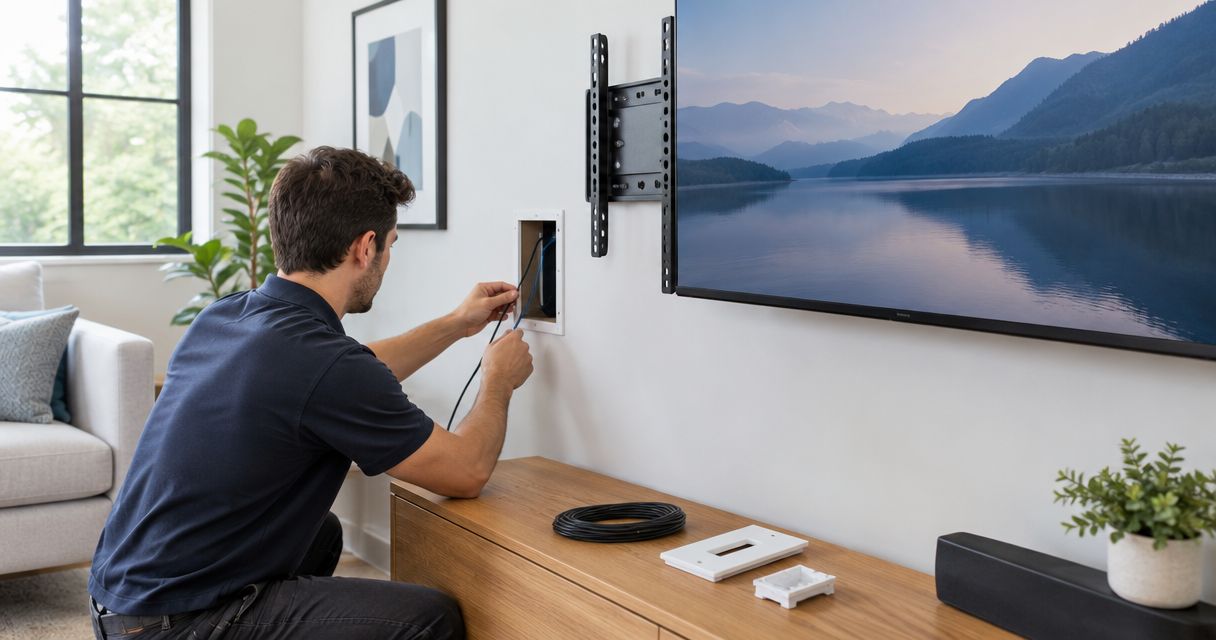
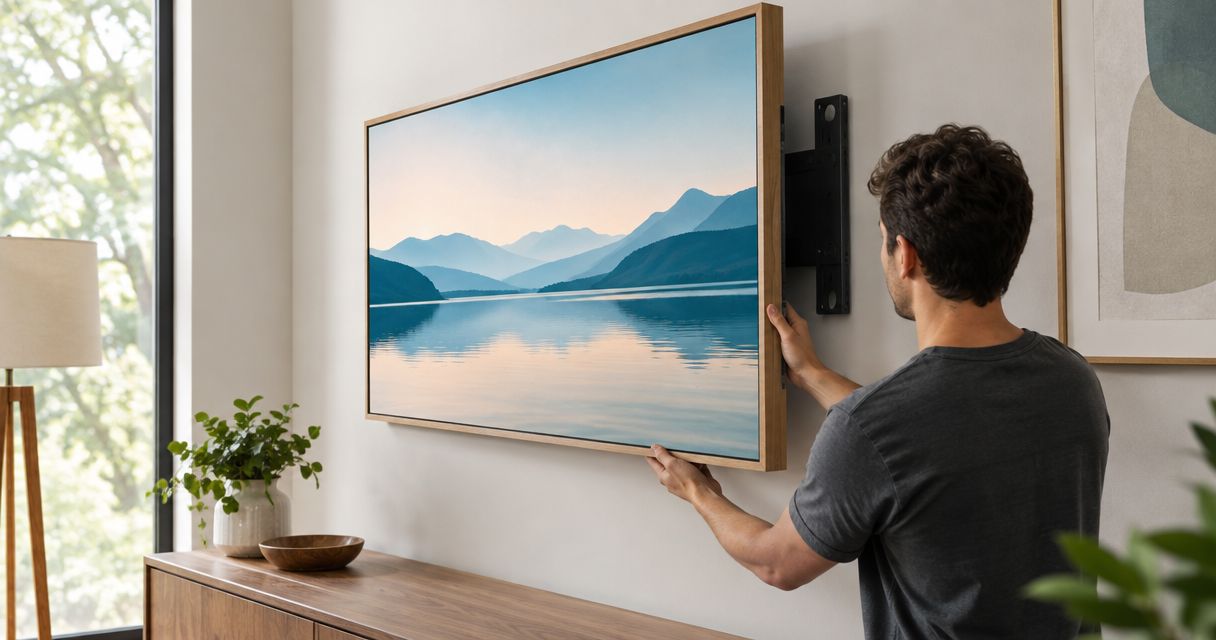
- Confirm mounting requirements. Give the installer the equipment model, available hardware, intended location, and relevant manufacturer instructions. Let the installer assess the wall and attachment method rather than selecting fixings from appearance alone.
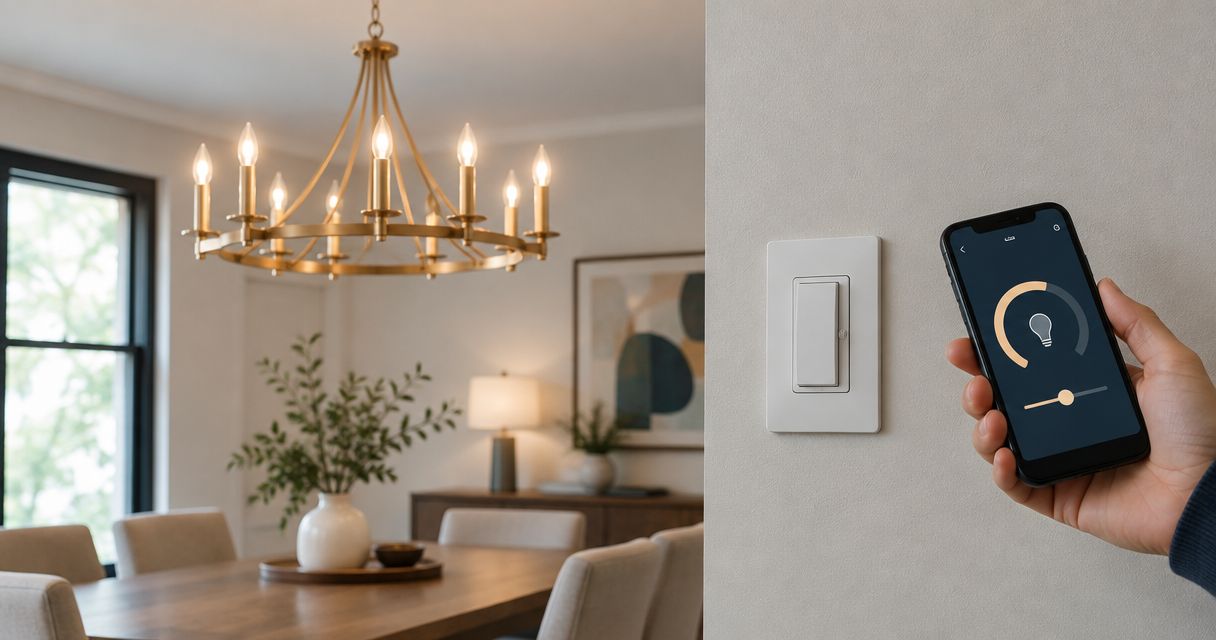
- Separate electrical work from unpacking. Keep people and cartons away from the work area. Have an appropriately qualified professional assess fixture connections and any electrical changes; unpacking instructions are not electrical installation instructions.
- Check function before closing access. Review assembled furniture, TV operation, and installed fixtures with the responsible professional. Record anything unresolved before placing decorations or storage boxes around the work.
Expected result: Assembly and installation either pass their agreed checks or appear on a specific unresolved-task list. Nothing disappears behind unpacked belongings.
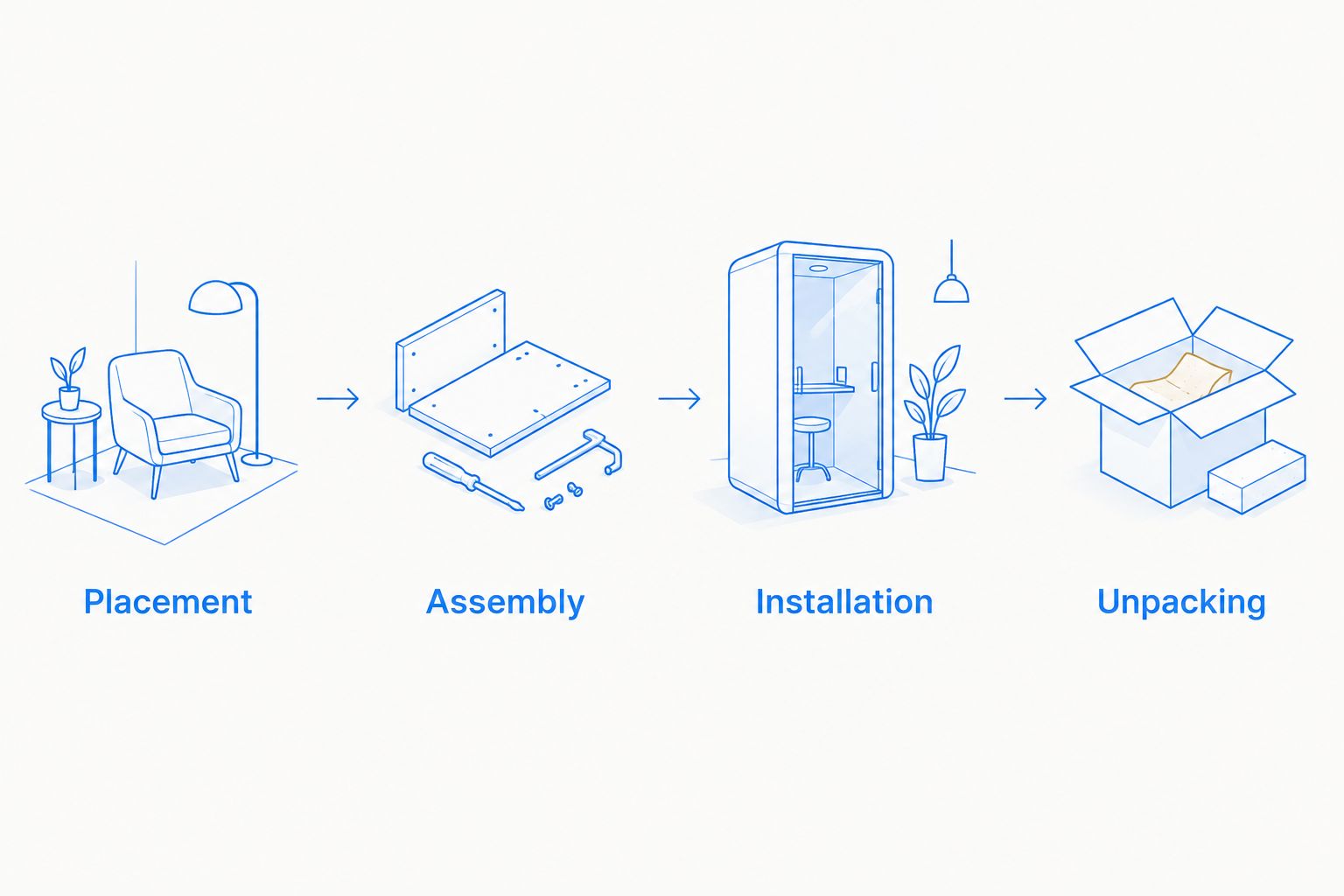
The practical sequence is Placement, Assembly, Installation, then Unpacking. Use it as a dependency check, not a reason to delay unrelated rooms: you can unpack kitchen essentials while a bedroom waits for assembly if access remains clear.
Room completion and unpacking
- Prepare the bedroom. Complete the bed setup, locate bedding, and clear the route between the doorway and bed. Leave decorative arrangements until the room supports its immediate purpose.
- Prepare the bathroom. Put toiletries, towels, and daily-use supplies within reach. Keep cleaning materials separate from personal-care items and follow their storage instructions.
- Prepare the kitchen. Unpack the items needed for a simple meal before organizing occasional-use equipment. Check shelves and intended storage locations before filling them with fragile items.
- Prepare the living space. Position seating, finish agreed installation checks, and organize cables without obstructing access or ventilation. Follow equipment instructions rather than hiding components wherever space remains.
- Close each room deliberately. Confirm that drawers and doors open, essential items are accessible, packaging does not obstruct walking routes, and unfinished work is recorded. Move to decorative setup only after that check.
Expected result: Each completed room works for daily living, and the remaining work has a defined next action.
Your 2026 completion standard should distinguish usable from finished. A usable study might have a working desk and accessible documents while pictures remain unhung. That distinction lets you resume daily routines without pretending the entire move is complete.
Do not discard packaging needed to identify, inspect, or return an item before checking the relevant instructions and policies. Consolidate cleared packaging in an agreed location without blocking exits, stairs, or installation areas.
Variant: a phased move with later installations
Use a phased workflow when furniture arrives separately or an installation requires a later visit. Best for delayed items: finish independent tasks and preserve access to dependent work. Do not leave an entire room unusable because one decorative fixture remains unresolved.
| Workflow | Best for | Advantage | Trade-off |
|---|---|---|---|
| Coordinated setup | Rooms with confirmed furniture and installation requirements | Keeps related placement decisions together | Requires clear scope and readiness before work begins |
| Phased setup | Separate deliveries or unresolved installation requirements | Lets independent rooms become usable | Requires another handoff and protected access for later work |
For a phased 2026 move, add Blocked by and Restart condition to the checklist. An example is: TV installation blocked by missing hardware; restart when the installer confirms the correct hardware is present.
Whenever an item arrives or a decision changes, update the affected room before scheduling the next task. Recheck measurements and access if the replacement item differs from the original plan. A previous placement approval does not automatically apply to different furniture.
Troubleshooting
A carton reaches the wrong room
Stop opening it and check the destination label against the room map. Relocate the carton before spreading its contents across another room; if the label is unclear, ask the decision-maker rather than creating a new interpretation.
Assembly hardware cannot be found
Check the item's labeled hardware bag, instructions, and packaging before opening unrelated cartons. Mark assembly as blocked and ask the assembler or manufacturer about the correct replacement parts. Do not improvise structural connections.
The intended mounting location is unsuitable
Pause the installation and have the installer explain the constraint. Agree on a suitable location or revised scope before work continues, then update the furniture plan if the change affects viewing position or room access.
Unpacking blocks unfinished work
Move cartons and loose belongings outside the agreed work zone. Mark that room as partially complete and unpack an independent room instead. Do not ask a professional to work around fragile possessions when you can preserve clear access.
Everyone has a different unfinished-task list
Consolidate the lists into the shared checklist. Give each unresolved task an owner and a completion condition, then confirm which provider or household member will handle it. A vague instruction to finish the room is not an actionable handoff.
Customize your workflow
For a home office, prioritize the desk, task lighting, power access, and essential equipment before decorative storage. For a household with children, identify sleeping arrangements and daily-use belongings before opening nonessential cartons. Choose the sequence around the people using the home.
Nextsteppgh provides white-glove moving and home services in Pittsburgh neighborhoods including Squirrel Hill, Shadyside, Fox Chapel, and Mt. Lebanon. Use your room checklist to discuss the work you need, the order it requires, and the responsibilities you will retain.
If assembly continues into connected-device setup, use the furniture assembly to smart home setup workflow to plan that next handoff. Keep your 2026 move checklist open until every deferred task has either been completed or deliberately removed from scope.
Plan your moving and setup scope
Discuss moving, assembly, mounting, and fixture installation around your room-by-room priorities.
FAQ
What's the best moving day to unpacked workflow?
The best moving day to unpacked workflow establishes room destinations, unloads to those destinations, completes assembly and installation dependencies, and then unpacks by daily-use priority. Give every unfinished task an owner and a completion check.
Does white-glove moving automatically include unpacking?
Do not assume white-glove moving includes unpacking. Ask the provider to state whether unpacking, placement, packaging removal, and installation are included in your written scope.
Should furniture assembly happen before unpacking?
Complete furniture assembly before unpacking belongings into or around that furniture. You can unpack unrelated areas at the same time if you keep work zones and access routes clear.
What should I unpack first after moving?
Unpack medications, toiletries, bedding, chargers, and the kitchen items you need for an immediate meal first. Keep these supplies separate during the move so you can reach them without searching through general cartons.
Can Nextsteppgh help with moving and home setup?
Nextsteppgh provides white-glove moving, furniture assembly, TV mounting, chandelier and fixture installation, and handyman services. Confirm the exact tasks, scheduling arrangements, and unpacking responsibilities before booking.
Should I mount the TV before arranging the living room?
Confirm the seating position and furniture layout before finalizing the TV mounting location. Have the installer assess the proposed location and mounting requirements before drilling.
How do I manage a move when some furniture arrives later?
Use a phased checklist that identifies what each unfinished task is waiting for. Complete independent rooms and preserve access where later assembly or installation is required.
One last thing
An empty box is not proof of a finished room. Before closing a room on your 2026 checklist, use it: open the wardrobe, sit at the desk, check the agreed TV functions, and locate the belongings you need next.
That final check catches the difference between possessions being inside the house and the house being ready for you. Keep the unresolved list visible until each item has a clear outcome—not merely a new place to wait.